
Pacemaker Doctor is a trusted initiative dedicated to advanced heart rhythm care, providing expert guidance, treatment, and support for patients with cardiac device needs.
Pacemaker Doctor is a trusted initiative dedicated to advanced heart rhythm care, providing expert guidance, treatment, and support for patients with cardiac device needs.
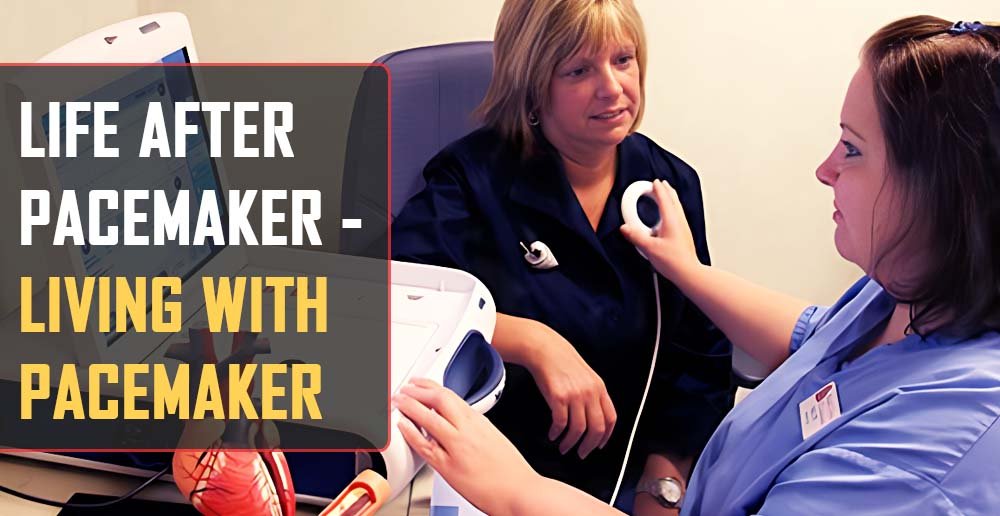
A pacemaker can improve daily life for many people. Once you have a pacemaker, you will need regular doctor visits to check your health condition and the pacemaker. Carry your pacemaker ID card with you for emergencies. Show it to airport security, new doctors, or other people who need to know about your device. The card should have information on the type of pacemaker and leads you have, when you got the pacemaker, and your doctor’s contact information.
After you get your pacemaker, you will have to go to the doctor for regular pacemaker check-ups. Pacemakers are checked with a device called a programmer. When the programmer is held over the pacemaker, it is able to get information about how the pacemaker is working. The programmer can also be used to change the controls of the pacemaker. The programmer also tell us the how long battery will last and also gives us alarm for replacement.
Pacemaker battery life depends on usage of pacemaker. A pacemaker battery usually lasts from 10-14 years but AICD and CRT usually have a life span of 6-8 years. The pacemaker companies usually provide free battery replacement when End of life is detected on pacemaker interrogation but this is not the same scenario with AICD and CRT. Different Companies have their own policies. You have to check with them.
When the battery runs down, a new pacemaker will be implanted. The surgery to replace the old pacemaker with a new one usually requires a local anaesthesia. In most cases, your original pacemaker leads will not need to be replaced.
It’s unlikely that your pacemaker would stop working properly because of electrical interference. Still, you’ll need to take a few precautions:
Here is a list of devices that will not affect or damage pacemakers. Most people do not need to worry about coming into contact with these devices.
The effects depend on what type of device you have. Always tell your doctor or dentist that you have a pacemaker and show them the device ID card. They may be able to make certain changes if you need the procedure or test.
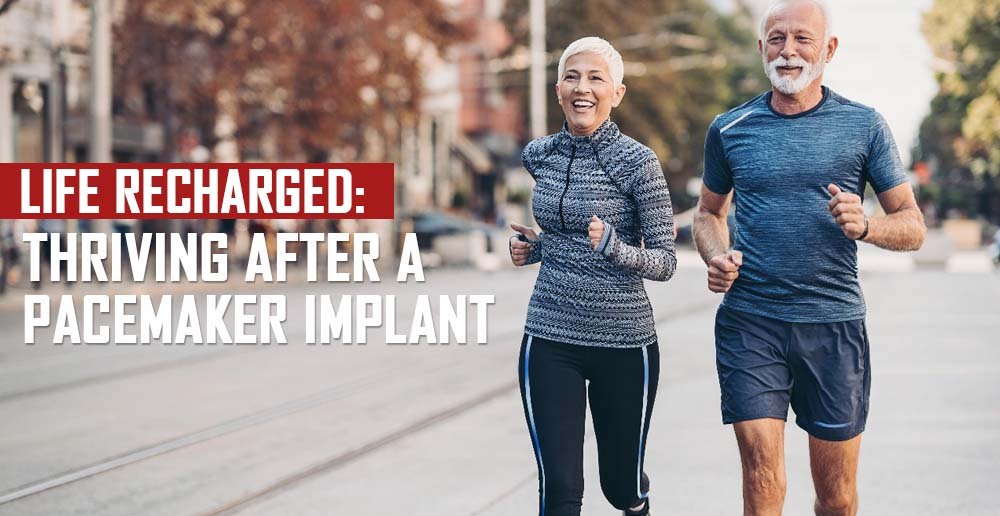
People have many misconceptions about pacemakers arising from popular notions or outdated information. Always ask your physician if you have any questions about your pacemaker. The following are the most common misconceptions:
“With my pacemaker I cannot use a microwave oven.” This was true for very old pacemakers but is not true today. People with pacemakers may use all types of household appliances and power tools.
“With my pacemaker I cannot use a cell phone.” Although there is a possibility of interference with some high-power digital cell phones, people with pacemakers usually need only to keep the phone out of clothing pockets near the pacemaker and hold the phone to the ear away from the pacemaker.
“With my pacemaker I will have to slow down.” This is false. In our practice, we have pacemaker patients who play sports such as golf, tennis, or basketball..
“With my pacemaker I cannot travel.” By always carrying the identification card given at the time of the pacemaker implantation, patients can have their pacemaker evaluated in almost any part of the world if needed. It is also safe to pass through airport security checks in the normal fashion.
“With my pacemaker I won’t need heart medications.” The pacemaker does not replace the need for heart medications to treat high blood pressure, angina, heart rhythm problems, etc. Most people with pacemakers also take heart medications.
“I have a pacemaker, so I cannot have a heart attack.” The pacemaker does not protect against blockages in blood vessels that cause heart attacks. Similarly, people may still have fast heart rhythm problems that the pacemaker cannot treat directly. The standard pacemaker does not strengthen the heart, although some new types of pacemakers may be helpful in certain patients with congestive heart failure. With pacemaker implants, patients should continue to follow a heart-healthy lifestyle that includes exercise, diet, and cardiac medications when prescribed.